
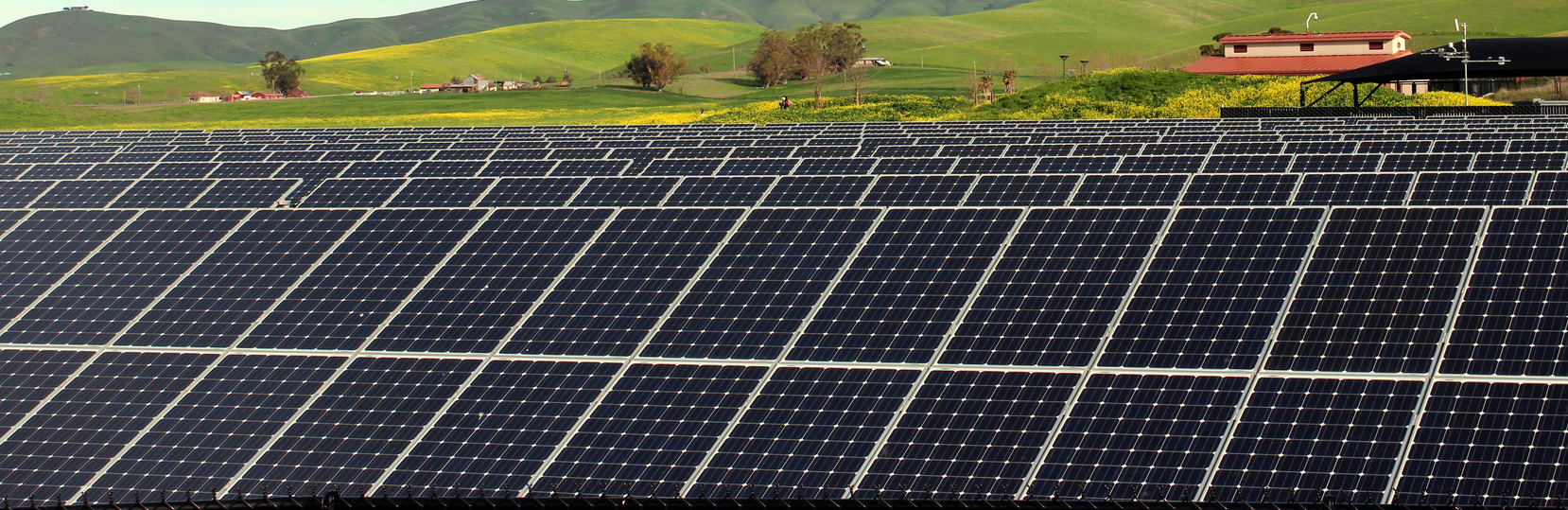

Photovoltaic Moss Grown for the First Time – Producing 0.5 Watts
Photovoltaic moss has reportedly been grown and deployed for the first time in history, marking a major step forward in renewable energy innovation. The technology, known as Solar Ivy, is said to generate up to 0.5 watts per leaf and remain functional for as long as 35 years, offering a new way of producing clean electricity directly from building surfaces.
The project is credited to Sustainably Minded Interactive Technology (SMIT), a New York–based innovation company focused on sustainable energy solutions. Solar Ivy is designed to resemble natural moss or ivy, similar to what is commonly seen growing on damp walls and shaded building areas, but with the added ability to generate electricity using solar photovoltaic principles.
What Solar Ivy Is and How It Works
Solar Ivy is made up of small, leaf-shaped photovoltaic units that collectively behave like moss or climbing ivy when installed on walls. Each “leaf” functions as a miniature solar panel, converting sunlight into electricity while blending naturally with building exteriors.
Unlike conventional rigid solar panels, the photovoltaic moss is flexible and modular. This allows it to be installed on vertical surfaces and irregular building shapes, expanding the range of locations where solar power can be harvested. The system can help offset the amount of electricity a building draws from utility providers, while also providing shading that reduces heat absorption.
Origins of the Project
The idea gained traction through the Sustainable Campus Initiative Funds (SCIF) at the University of Utah in Salt Lake City. The initiative, which supports student-led sustainability projects, helped fund early research into the photovoltaic moss concept.
The project was led by Tom Melburn, an environmental studies student, whose proposal received roughly two-thirds of the estimated $42,000 project cost through SCIF funding. The remaining funds were raised within the campus community. What began as a student sustainability project has since developed into a technology with wider commercial and environmental potential.
Installation and Design Features
One of the first Solar Ivy installations was mounted on the south-facing façade of Orson Spencer Hall at the University of Utah. The system uses a stretchable steel wire mesh attached to the building surface, onto which the photovoltaic leaves are fixed.
Because of its flexible design, the leaves can be installed at varying densities depending on sunlight exposure and energy needs. Individual leaves can also be replaced if damaged, making maintenance simpler than traditional panel systems. In addition to generating renewable energy, the ivy-like covering helps reduce solar heat gain, contributing to improved building efficiency.
A Modular Energy System for Urban Spaces
Solar Ivy represents a shift towards building-integrated photovoltaic systems, where energy generation becomes part of architectural design rather than an added feature. Research into the technology is still ongoing, particularly in determining which building types and climates are best suited for large-scale installation.
Pilot projects are already underway, with SMIT collaborating on installations and exhibitions at notable public buildings, including the Montreal Biosphere Environment Museum and Science World Vancouver. These projects are expected to demonstrate how photovoltaic moss can function both as an energy source and as an educational tool.
Why Photovoltaic Moss Could Shape the Future
As cities continue to search for cleaner and more space-efficient energy solutions, photovoltaic moss offers a compelling alternative to conventional solar panels. Its long lifespan, modular structure, and ability to integrate seamlessly into urban architecture make it especially attractive for densely built environments.
While Solar Ivy is still in its early stages, supporters believe it could become a familiar feature on buildings worldwide. If its performance claims continue to hold true, photovoltaic moss may play a meaningful role in reducing energy costs, lowering carbon emissions, and redefining how renewable energy fits into everyday structures.
Discover more from GreyPanels
Subscribe to get the latest posts sent to your email.
